A Shared History Across the Atlantic
The story of American independence is often told as a purely internal struggle between the thirteen colonies and Great Britain. Yet the reality is far more interconnected.
From the earliest years of the Revolution, France played a decisive role—militarily, financially, and diplomatically—in transforming a colonial rebellion into the birth of a new nation.
This 2026 anniversary is therefore not only American history. It is also part of a shared Franco-American story.
A Fragile Revolution (1775-1777)
Before France Entered the War
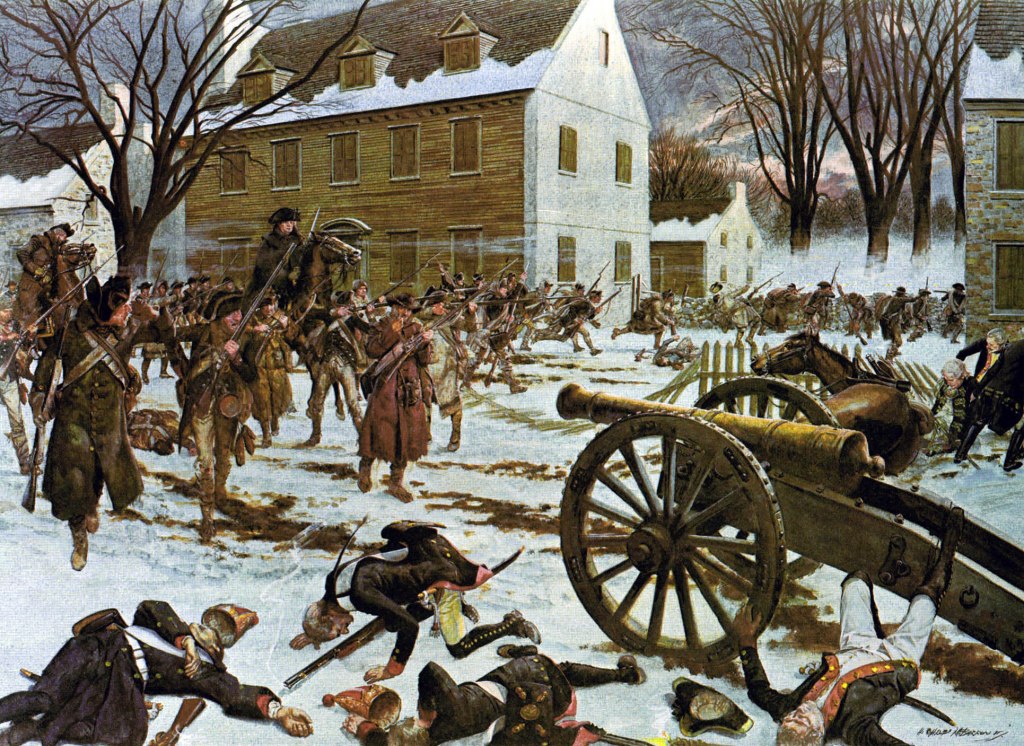
Between 1775 and 1777, the Continental Army faced severe challenges.
- Limited weapons and supplies
- A weak financial system
- No navy capable of challenging Britain
- Constant pressure from a global superpower
Early American diplomacy aimed to gain European allies, but success was uncertain. Without external support, independence remained fragile.
Why France Supported the American Colonies
France and Britain: Old Rivals
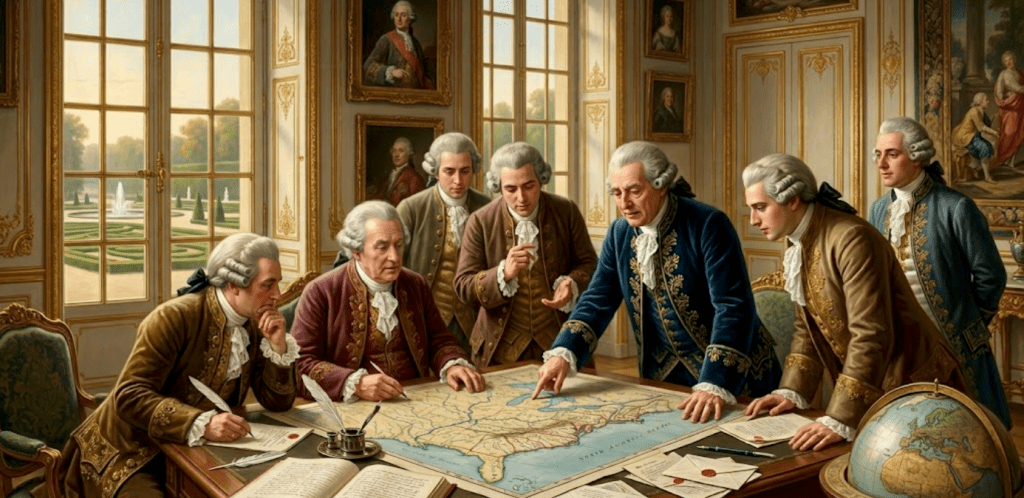
France closely observed the conflict. Its support for the American cause was shaped by:
- Long-standing rivalry with Britain
- The aftermath of the Seven Years’ War
- Strategic interest in weakening British global power
- Enlightenment-era sympathy for new political ideas
Even before official involvement, aid had already begun to flow quietly across the Atlantic.
France Enters the War (1778)
The Alliance
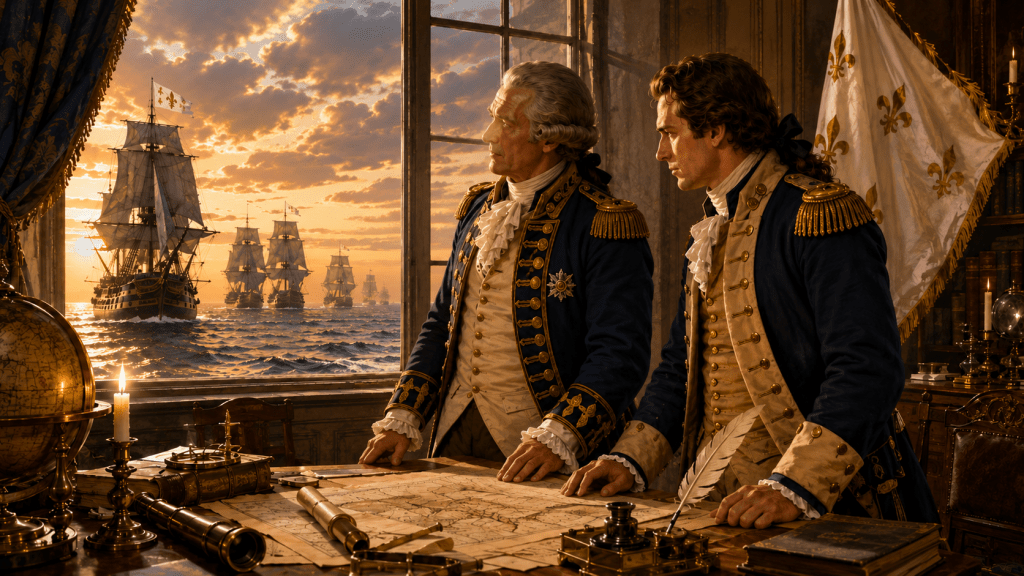
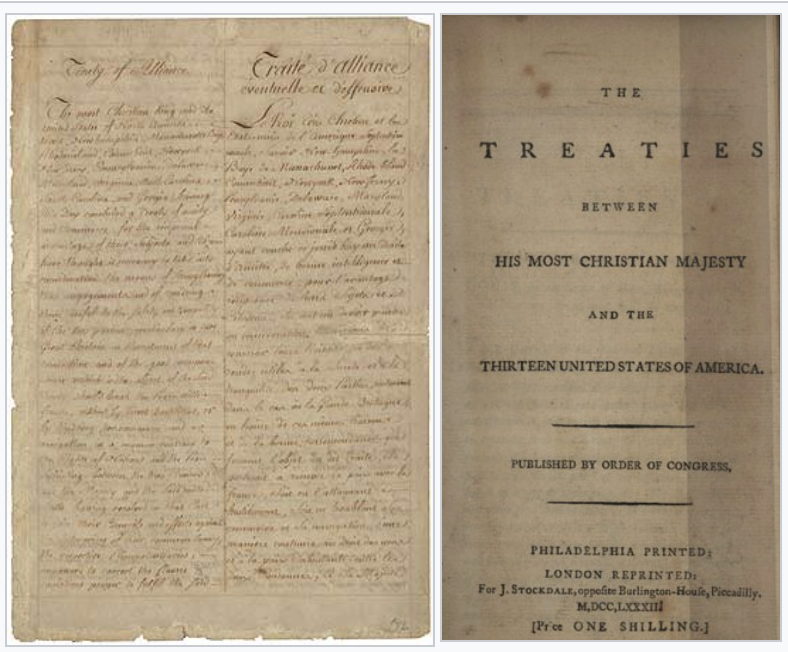
In 1778, France officially entered the war by signing the Treaty of Alliance with the newly declared United States.
This moment transformed the conflict:
- The war became international
- Britain faced enemies on multiple fronts—at sea and across continents.
- The American cause gained legitimacy
France was no longer a silent supporter—it was now an active ally.
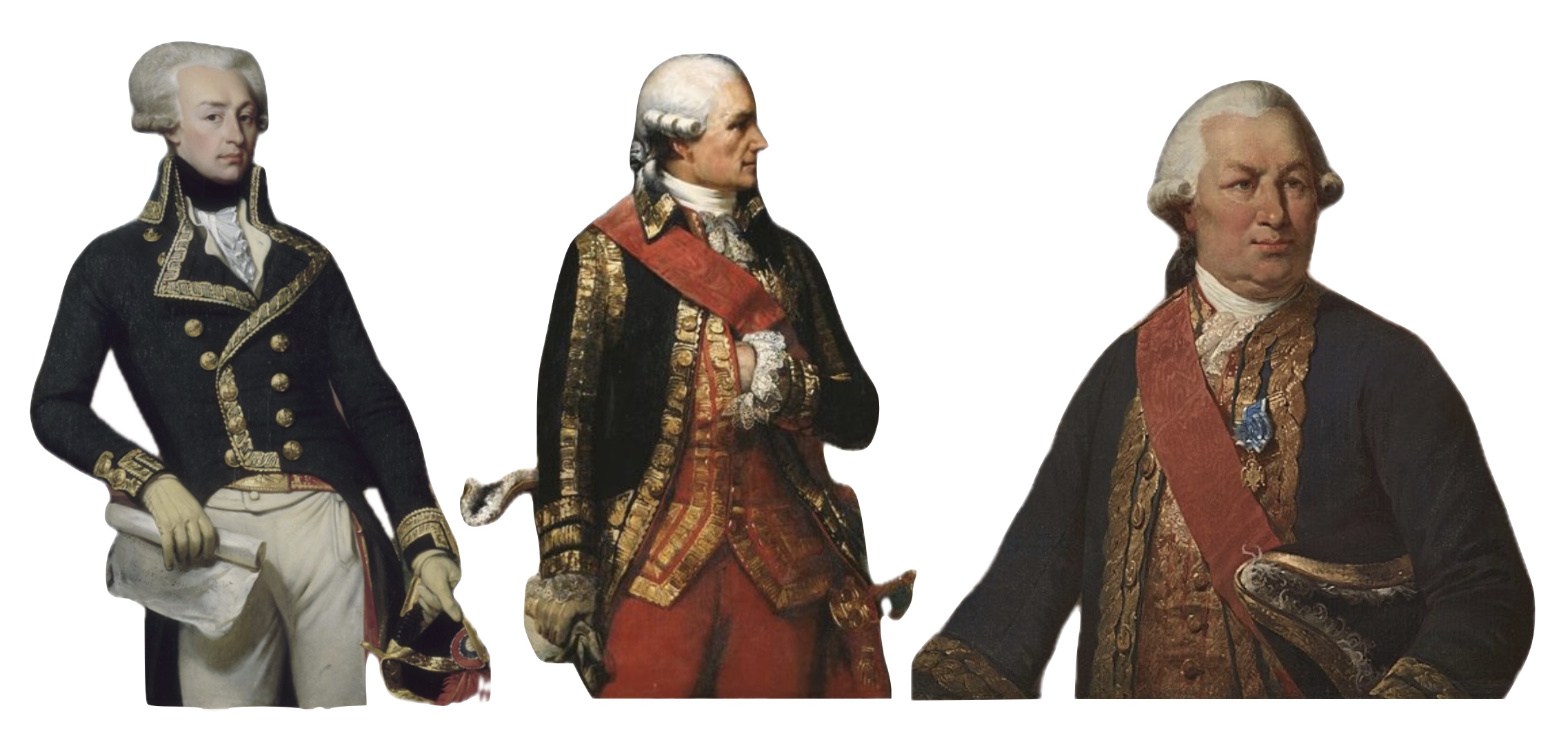
Key French Figures in the American Revolution
Marquis de Lafayette
A young French nobleman who became one of Washington’s closest allies. He helped connect French resources with American leadership.
Comte de Rochambeau
Commander of French expeditionary forces in America, coordinating directly with Continental troops.
Admiral de Grasse
His naval command played a decisive role in controlling the Chesapeake Bay during the Yorktown campaign.
Benjamin Franklin in Paris
Although American, Franklin acted as the key diplomatic bridge in France, securing support through his influence and diplomacy.
Yorktown (1781): The Turning Point
The Decisive Victory
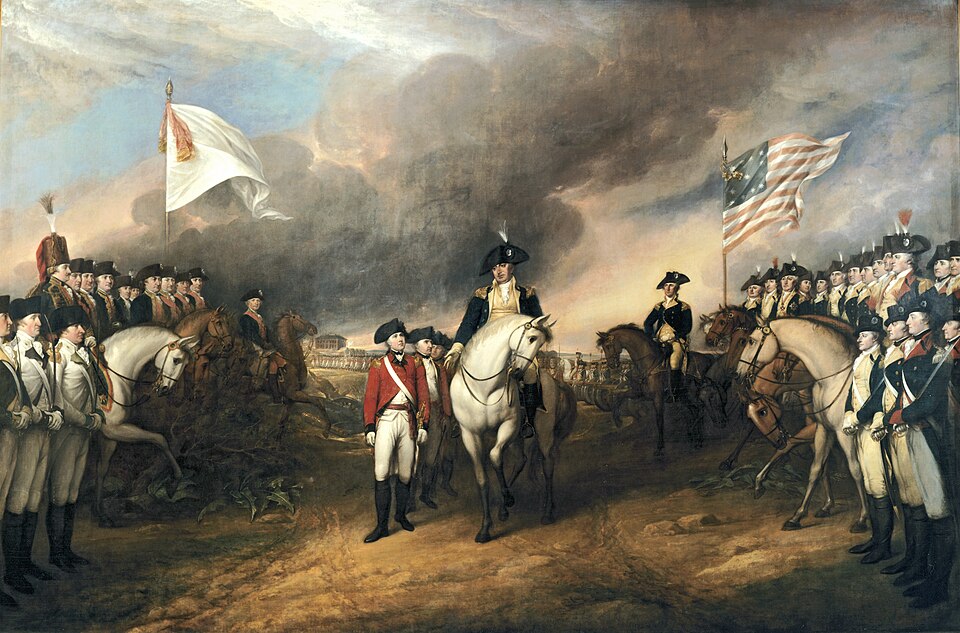
The Siege of Yorktown (1781) marked the decisive turning point of the war:
- French navy blocked British escape routes
- Troops surrounded British positions
- Combined strategy forced surrender
This victory effectively ended major fighting in the Revolution.
The Treaty of Paris (1783)
Independence Recognized
Two years later, the Treaty of Paris formally recognized the independence of the United States.
France’s involvement helped:
- Enable military cooperation between the two nations
- Weaken Britain’s negotiating position
- Contribute to a new balance of power in Europe and America
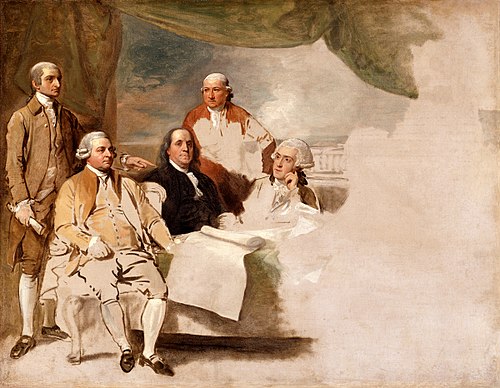
Image: Treaty of Paris, a 1783 portrait by Benjamin West depicting the American delegation at the Treaty of Paris, including (left to right): John Jay, John Adams, Benjamin Franklin, Henry Laurens, and William Temple Franklin. The British delegation refused to pose, and the portrait was never completed.
Lasting Legacy of the Franco-American Alliance
A Transatlantic Friendship
The Franco-American partnership did not end with independence.
It left a lasting legacy:
- Continued military cooperation between the two nations
- Shared revolutionary ideals
- Deep cultural admiration across the Atlantic
- The enduring legacy of figures like Lafayette
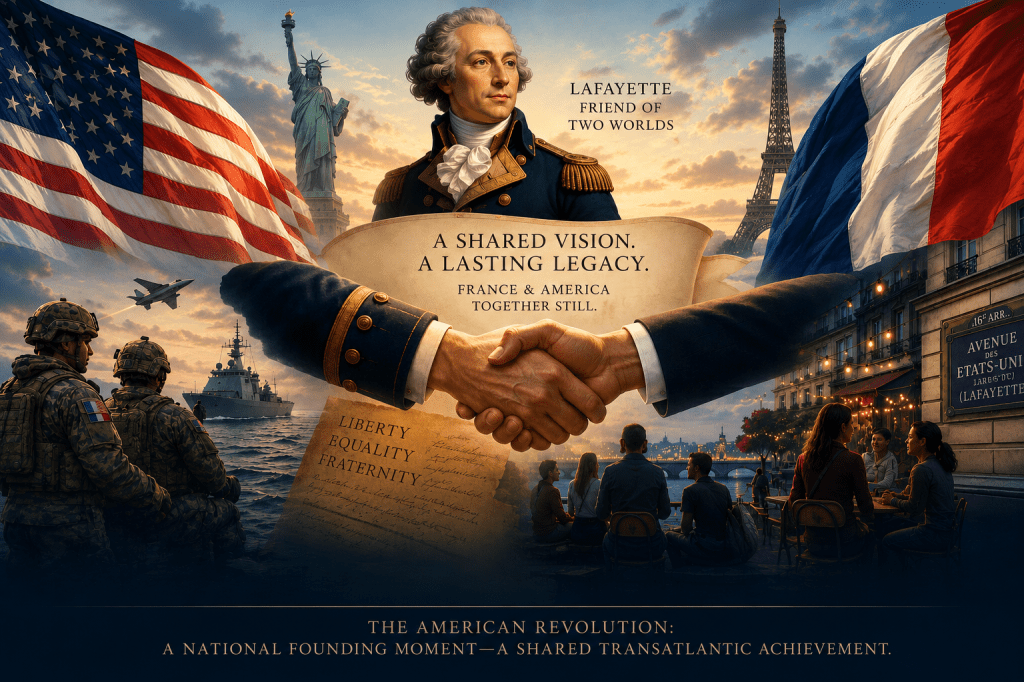
The American Revolution became not only a national founding moment—but a shared transatlantic achievement.
✨
Reflection
A Revolution on Two Shores
The United States was not born in isolation.
It emerged from a rare convergence of ideas, diplomacy, and military cooperation—where France played a decisive role in shaping the outcome.
Independence was not only declared in America. It was also secured across the Atlantic.
You will find other important events of the 18th century in my Timeline.
Also, see my previous post “From Lafayette to St. Louis: French Names Across America“
🌿 Genealogy on my Geneanet tree
Here are the links to several pages on my Geneanet tree related to individuals, events or places mentioned in this post: (FYI: on Geneanet, the little “green circle” on an individual’s image indicates my direct lineage with the individuals).
Note: some individuals or events might be “alone” on my tree but check links to other pages.
Individuals:
- Marquis de La Fayette (Lafayette) (1757-1834)
- George Washington (1732-1799)
- Benjamin Franklin (1706-1790)
Events:
- Seven Years’ War (1756–1763)
- American Revolutionary War (1775-1783)
- United States Declaration of Independence (July 4, 1776)
- Treaty of Alliance (1778)
- Treaty of Paris (1783)
- Enlightenment-era (“Siècle des Lumières”)
Countries and continents:

